

Social Media in 2026: Where It Helps, Where It Harms, and How to Use It Well
Social media in 2026 sits in a very different place to where it started. What began as a way to connect with friends has evolved into a powerful ecosystem that shapes behaviour, influences opinion, and drives business growth at scale. It is faster, louder, and more intelligent than ever before — and for many people, that makes it both exciting and exhausting.
For young people in particular, the always-on nature of social platforms can be overwhelming. Endless scrolling, algorithm-led content, and constant comparison can impact attention, confidence, and emotional wellbeing. For individuals with ADHD, these challenges can be amplified, with dopamine-driven design making it harder to disengage or focus intentionally. These are real concerns, and they deserve honest conversation rather than being brushed aside.
At the same time, to ignore the positive power of social media would be short-sighted. In 2026, it remains one of the most effective tools for learning, creativity, and connection. For businesses, it offers something no other channel can quite replicate — the ability to speak directly to an audience, build trust over time, and form genuine relationships at scale. When used with purpose, social media allows brands to educate, tell stories, and create communities rather than simply sell.
The difference now lies in intention. Social media works best when it is used consciously, not compulsively. For individuals, that means setting boundaries and being selective. For businesses, it means focusing on value, authenticity, and consistency rather than chasing trends or quick wins. In 2026, success on social media is no longer about being everywhere — it’s about showing up well, in the right places, for the right reasons.
Introducing the Podcast Episode from a London Social Media Agency Exploring Social Media in 2026
Social media in 2026 is no longer something we casually “use” — it’s something we actively have to navigate. It shapes how we communicate, how we learn, how we do business, and how we connect with one another. And while its influence continues to grow, the conversation around its impact has never been more important.
In this podcast episode, we take a step back and look at social media honestly — without hype, fearmongering, or sweeping statements. Together, we explore both sides of the story. On one hand, social platforms have created incredible opportunities for creativity, community, and entrepreneurship. On the other, they raise real concerns around attention, mental health, and how younger generations engage with the world around them — particularly those living with ADHD or struggling with focus in an always-on digital environment.
This episode isn’t about telling people to switch off or lean in blindly. It’s about intentional use. We discuss how social media can be a force for good when it’s approached with purpose, boundaries, and clarity — especially in business. For brands, founders, and professionals, social media remains one of the most powerful tools available to build trust, share knowledge, and create meaningful connections at scale.
We also share personal observations, practical insights, and real-world examples of how social media is evolving in 2026 — what’s working, what’s changing, and what’s simply noise. Whether you’re a business owner, a creative, a parent, or someone trying to find a healthier relationship with digital platforms, this conversation is designed to give you perspective rather than prescriptions.
Above all, this episode invites reflection. Social media isn’t inherently good or bad — it’s how we choose to use it that matters.
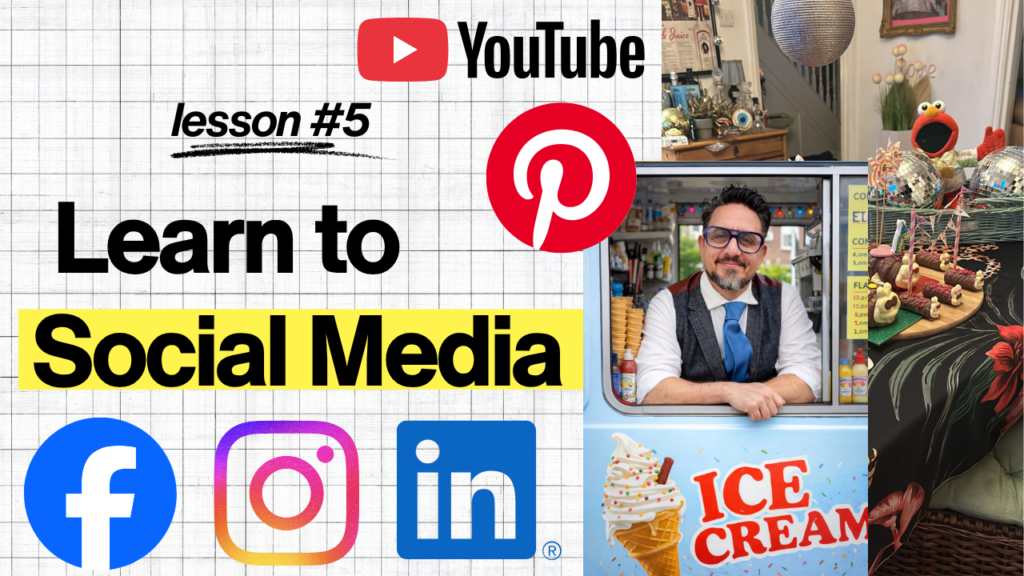
Negotiating social media for opticians in 2026 isn’t as straightforward as it once was — and that’s exactly why this episode matters. Social platforms have become more powerful, more intelligent, and more influential than ever before. At the same time, they’ve also become more demanding, more distracting, and in some cases, more damaging — particularly for young people and individuals living with ADHD.
For businesses, including optical practices, social media remains an extraordinary tool. It allows opticians to educate patients, build trust locally, showcase expertise, and connect with communities in ways that simply weren’t possible a decade ago. Used well, social media helps practices attract the right patients, communicate professionalism, and stay relevant in an increasingly competitive healthcare landscape. In 2026, it’s one of the most effective ways for opticians to demonstrate care, authority, and consistency beyond the consulting room.
However, that same technology can have a very different impact on developing minds. Algorithm-driven feeds, endless scrolling, and dopamine-led design can negatively affect attention, focus, and emotional wellbeing. For young people — and especially those with ADHD — social media can intensify distraction, comparison, and cognitive overload. These are not abstract concerns; they’re realities that deserve honest discussion, not avoidance.
This episode explores both truths side by side. We look at how opticians can harness social media responsibly for business growth while acknowledging that it isn’t universally positive in every context. The rules have changed. Algorithms are smarter. Audiences are more selective. Attention spans are shorter. Simply “posting regularly” is no longer enough.
We break down what social media for opticians really looks like in 2026 — beyond trends, buzzwords, and generic advice. We discuss why consistency now beats virality, why creativity matters more than budget, and why intentional thinking is essential. From Instagram and Facebook to Google, YouTube, and emerging platforms, we explore how opticians can build visibility and authority without burnout.
This conversation is especially valuable for independent opticians and practice owners who feel overwhelmed or unsure whether their social media efforts are actually working. Social media is no longer just marketing — it’s part of how modern opticians communicate trust, care, and credibility. Used consciously, it can be brilliant. Used carelessly, it can be harmful. In 2026, knowing the difference matters more than ever.
🎧 Listen to the full episode for a clear, grounded view of what’s working now — and what really matters going forward
.

Negotiating social media for opticians in 2026 isn’t as straightforward as it once was — and that’s exactly why this episode matters. Social platforms have become more powerful, more intelligent, and more influential than ever before. At the same time, they’ve also become more demanding, more distracting, and in some cases, more damaging — particularly for young people and individuals living with ADHD.
For businesses, including optical practices, social media remains an extraordinary tool. It allows opticians to educate patients, build trust locally, showcase expertise, and connect with communities in ways that simply weren’t possible a decade ago. Used well, social media helps practices attract the right patients, communicate professionalism, and stay relevant in an increasingly competitive healthcare landscape. In 2026, it’s one of the most effective ways for opticians to demonstrate care, authority, and consistency beyond the consulting room.
However, that same technology can have a very different impact on developing minds. Algorithm-driven feeds, endless scrolling, and dopamine-led design can negatively affect attention, focus, and emotional wellbeing. For young people — and especially those with ADHD — social media can intensify distraction, comparison, and cognitive overload. These are not abstract concerns; they’re realities that deserve honest discussion, not avoidance.
This episode explores both truths side by side. We look at how opticians can harness social media responsibly for business growth while acknowledging that it isn’t universally positive in every context. The rules have changed. Algorithms are smarter. Audiences are more selective. Attention spans are shorter. Simply “posting regularly” is no longer enough.
We break down what social media for opticians really looks like in 2026 — beyond trends, buzzwords, and generic advice. We discuss why consistency now beats virality, why creativity matters more than budget, and why intentional thinking is essential. From Instagram and Facebook to Google, YouTube, and emerging platforms, we explore how opticians can build visibility and authority without burnout.
This conversation is especially valuable for independent opticians and practice owners who feel overwhelmed or unsure whether their social media efforts are actually working. Social media is no longer just marketing — it’s part of how modern opticians communicate trust, care, and credibility. Used consciously, it can be brilliant. Used carelessly, it can be harmful. In 2026, knowing the difference matters more than ever.
🎧 Listen to the full episode for a clear, grounded view of what’s working now — and what really matters going forward.